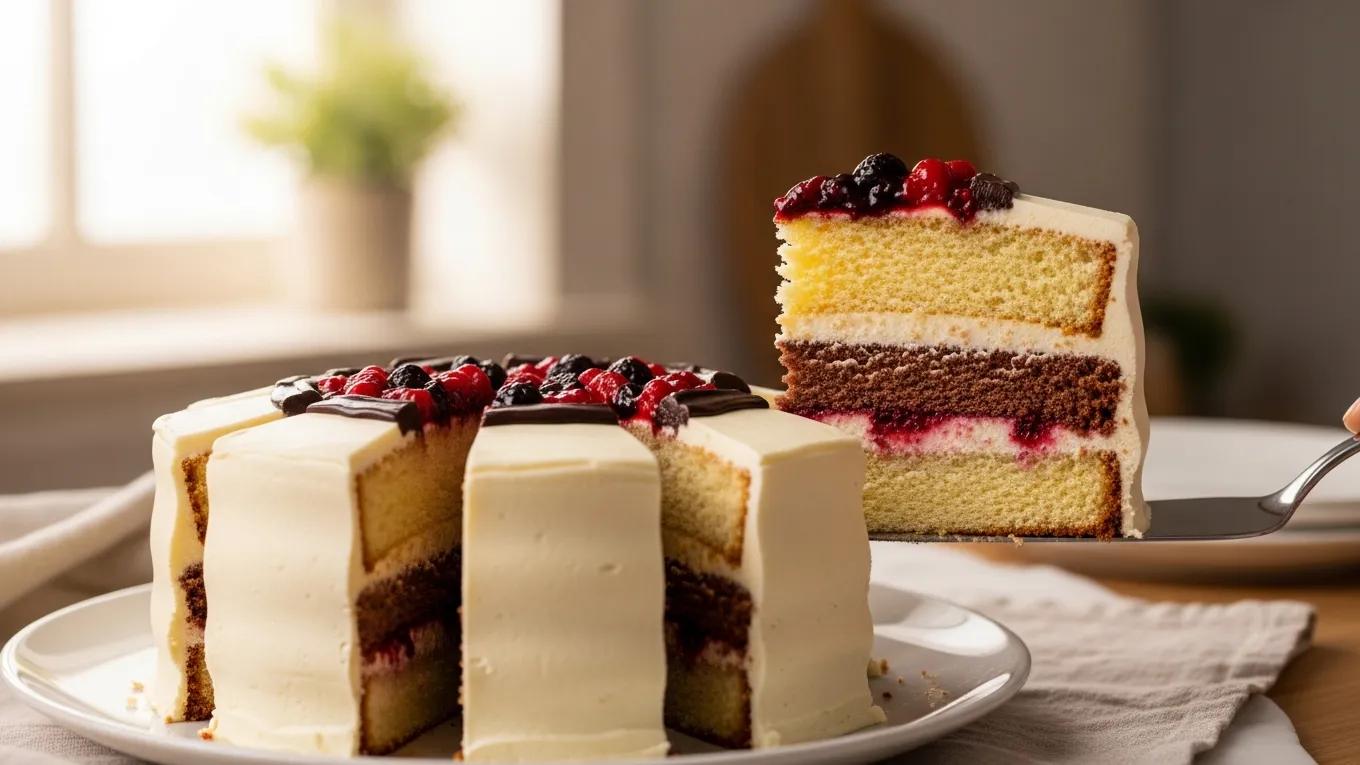
Perfectly Cut Celebration Cakes: Tips for Every Occasion | Fofolicious Cakes
Best Way to Cut a Celebration Cake: Expert Techniques and Tips for Perfect Slices
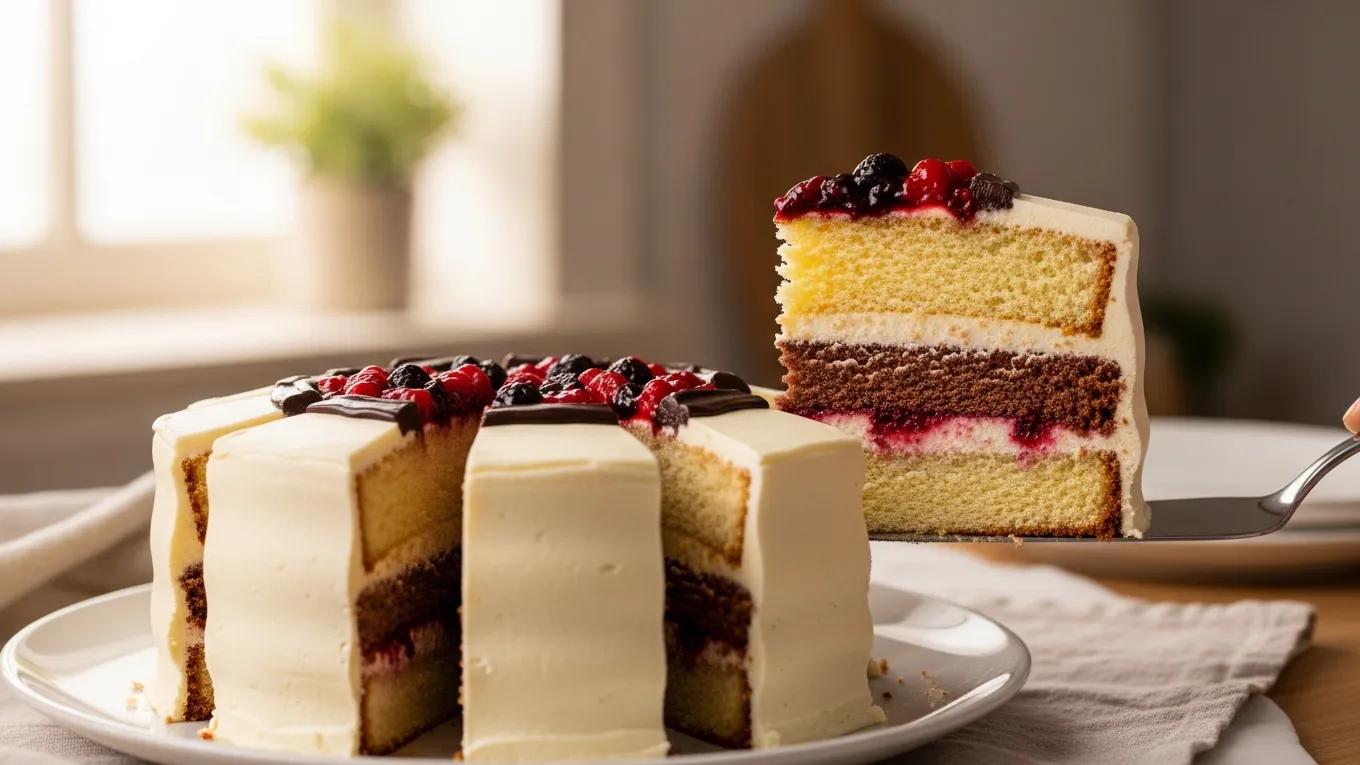
Cutting a celebration cake can be a daunting task, especially when aiming for perfect slices that maintain the cake's aesthetic appeal. This guide will provide you with expert techniques and tips to ensure that your cake cutting is both efficient and visually pleasing. Whether you're celebrating a birthday, wedding, or any special occasion, mastering the art of cake cutting can enhance the overall experience for you and your guests. In this article, we will explore effective cake cutting techniques, the best tools for the job, how to determine ideal portion sizes, cake cutting etiquette, and essential safety and hygiene practices.
What Are the Most Effective Cake Cutting Techniques?
When it comes to cutting celebration cakes, employing the right techniques can make all the difference. Effective cake cutting techniques not only ensure that each slice is uniform but also help preserve the cake's structure and decoration. Understanding these methods can enhance the presentation and enjoyment of your cake.
How to Use Wedge Slicing for Round Cakes
Wedge slicing is a popular technique for cutting round cakes, ideal for maintaining the cake's shape and presentation. To use this method, start by placing the cake on a stable surface. Use a sharp cake knife to cut through the center of the cake, creating two equal halves. From there, make additional cuts at equal angles, typically around 45 degrees, to create triangular wedges. This method allows for easy serving and ensures that each slice has a balanced amount of frosting and cake. Common mistakes to avoid include pressing down too hard, which can cause the cake to crumble, and not using a serrated knife, which can lead to uneven cuts.
When to Apply Grid and Spiral Cutting Methods
Grid and spiral cutting methods are effective for larger cakes, such as sheet cakes or layered cakes. The grid method involves making a series of vertical and horizontal cuts to create square or rectangular pieces. This technique is particularly useful for serving a large number of guests, as it allows for uniform portions. The spiral method, on the other hand, involves cutting the cake in a circular motion from the outside towards the center, which is ideal for layered cakes. Each method has its advantages, and the choice depends on the cake type and the desired serving style.
Which Tools Are Best for Cutting Celebration Cakes?
Choosing the right tools is crucial for achieving clean and precise cuts when slicing a celebration cake. The right knife can make a significant difference in the ease and quality of your cake cutting experience.
Choosing the Right Knife: Serrated vs. Cake Slicers
When selecting a knife for cutting cakes, you have two primary options: serrated knives and cake slicers. Serrated knives are ideal for cutting through soft cakes, as their saw-like edges grip the cake without squishing it. Cake slicers, on the other hand, often have a straight edge and are designed for more structured cakes, such as cheesecakes or dense layer cakes. Each type of knife has its pros and cons, and the best choice depends on the specific cake you are cutting. For instance, a serrated knife is generally recommended for sponge cakes, while a straight-edged cake slicer works well for firmer cakes.
How to Maintain and Use Cake Cutting Tools Properly
Proper maintenance of your cake cutting tools is essential for ensuring their longevity and effectiveness. Always clean your knives and slicers after each use to prevent cross-contamination and maintain hygiene. Store them in a safe place, preferably in a knife block or a designated drawer, to protect the blades. Regularly check for any signs of wear or damage, as a dull knife can lead to uneven cuts and a messy presentation. By taking care of your tools, you can ensure that they remain sharp and ready for your next celebration.
How Do You Determine Ideal Cake Portion Sizes?
Determining the right portion sizes for your celebration cake is crucial for ensuring that all guests are satisfied without excessive leftovers. Understanding standard serving sizes can help you plan accordingly.
Standard Serving Sizes for Different Cake Types
Standard serving sizes can vary depending on the type of cake being served. For instance, a round cake typically serves about 12-16 people, while a sheet cake can serve 20-30 guests. Layered cakes may require slightly larger portions due to their density and richness. It's essential to consider the cake's size and the number of guests when planning your portions. Visual aids, such as charts or diagrams, can be helpful in determining the appropriate serving sizes for different cake types.
Adjusting Portions Based on Event Type and Guest Count
When planning for an event, adjusting portion sizes based on the type of celebration and the number of guests is essential. For larger gatherings, consider cutting smaller slices to ensure everyone gets a piece. Conversely, for intimate celebrations, you may opt for larger portions. Additionally, consider the overall menu; if other desserts are being served, smaller cake portions may be more appropriate. Practical examples include serving smaller slices at a wedding where multiple courses are offered, versus larger slices at a birthday party where the cake is the main dessert.
What Are the Best Practices for Cake Cutting Etiquette at Events?
Cake cutting etiquette plays a significant role in the overall experience of a celebration. Knowing who should cut the cake and when can enhance the event's flow and enjoyment.
Who Should Cut the Cake and When?
Traditionally, the person celebrating the occasion, such as the birthday honoree or newlyweds, should cut the cake. This act often symbolizes the start of the celebration and is a moment for photos. Timing is also crucial; the cake should be cut after the main meal but before dessert is served to allow guests to enjoy it while it's fresh. Cultural variations may influence these practices, so it's essential to consider the preferences of the guests and the significance of the event.
Tips for Serving Guests Hygienically and Efficiently
Serving cake to guests should be done with hygiene and efficiency in mind. Always wash your hands before handling food, and use clean utensils for cutting and serving. Consider using a cake server to transfer slices to plates, minimizing direct contact with the cake. Additionally, if serving a large group, pre-slicing the cake can help streamline the process and ensure that everyone receives their portion quickly. These practices not only enhance the guest experience but also promote food safety.
How Can You Ensure Safety and Hygiene While Cutting Cakes?
Maintaining safety and hygiene while cutting and serving cakes is paramount, especially in larger gatherings where food safety is a concern.
Sanitizing Tools and Hands Before Cutting
Before cutting a cake, it's essential to sanitize your hands and any tools you will be using. This step helps prevent the spread of bacteria and ensures that the cake remains safe for consumption. Use hot, soapy water to clean your knives and serving utensils, and consider using a food-safe sanitizer for added protection. This practice is especially important when serving cakes at events where multiple guests will be handling the same utensils.
Preventing Cross-Contamination During Serving
Cross-contamination can occur when serving cakes, particularly if different types of cakes or desserts are present. To prevent this, use separate utensils for each cake and ensure that serving areas are clean. If guests are serving themselves, consider providing individual plates and utensils to minimize contact with the cake. These precautions help maintain the integrity of the cake and ensure a safe dining experience for all guests.
Conclusion
Mastering the art of cutting celebration cakes not only enhances the visual appeal but also ensures that every guest enjoys a perfectly portioned slice. By employing effective techniques and using the right tools, you can elevate your cake-cutting experience while maintaining hygiene and etiquette. Understanding portion sizes and best practices will further enrich your celebrations, making them memorable for all. Explore our expert tips and techniques to make your next cake-cutting event a resounding success.
